
What Does an Automotive Engineering Workshop Actually Do?
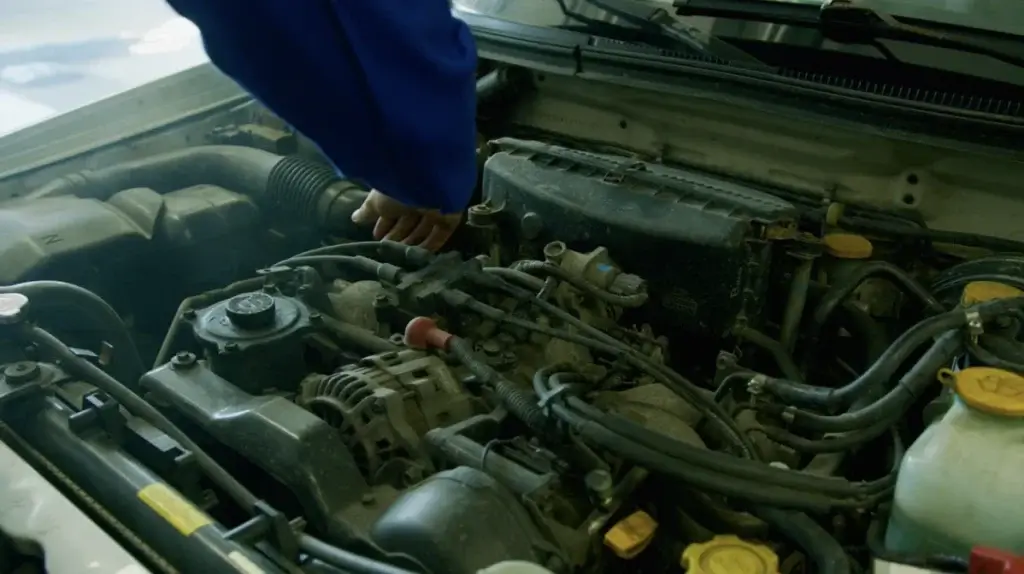
You see “automotive engineering” on a signboard or in a search result and wonder if it is a design lab or a place that fixes cars. Both uses of the term are correct. Automotive engineering is the branch of engineering that covers designing, building, testing, and maintaining vehicles. In a Singapore workshop, it means the hands-on side: diagnosing faults, servicing, repairing, and sourcing the right parts to keep a car roadworthy.
Our registered business name is SK Auto Engineering, though you may know us as SK Auto Carparts. We sit on the parts and scrapping side of that work: we supply inspected used parts and take in vehicles for scrapping. We do not fit parts or repair cars ourselves, but we can point you to a trusted local workshop.
Below, we explain what the work covers, how the different players fit together, and what to ask before you hand over your car or order a part.
What Does Automotive Engineering Cover?
Automotive engineering draws on mechanical, electrical, electronic, software, and safety engineering, all applied to vehicles. The scope is wide, so two businesses that both use the term can do very different jobs.
An automotive engineering company designs, builds, tests, repairs, or maintains vehicles and their systems. At the manufacturer level, the work is designing and testing. At the workshop level, it is diagnosis, servicing, and repair. In Singapore, the term also appears in the names of supply-side businesses that source and sell the parts workshops and owners need.
This is why the name alone tells you very little. Before you book a job or place an order, ask which of these three roles the business actually plays.
What Does a Workshop Do Day to Day in Singapore?
A workshop-level automotive engineering business in Singapore diagnoses faults, carries out servicing and repairs, replaces worn parts, and prepares cars for inspection at LTA-authorised vehicle inspection centres. Many workshops also buy parts from suppliers instead of stocking everything themselves, which is why a dependable parts source matters to them.
Where Do Used Parts and Scrapping Fit In?

Used parts and scrap sit on the supply side of the trade.
When a vehicle is scrapped for parts, it is taken apart, its usable parts are inspected, and those parts are then sold to workshops and car owners who need them. Scrapping is therefore both the end of one car’s life on the road and a source of working components for other cars.
This is the part of the work we do. Our parts are sourced locally in Singapore and directly from Japan, and every part is inspected before we list it. We offer same-day delivery within Singapore for orders placed before 3pm, unless otherwise stated.
The demand for these parts is steady. LTA figures put Singapore’s car population at about 660,000 at the end of 2025, and around 74% of those cars still ran on a combustion engine alone. Those cars will keep needing engines, gearboxes, and alternators for years.
If you own a car that is at the end of its life, our scrapping process is simple. You message us on WhatsApp, send your logcard and photos for a quote, then hand over the vehicle and receive payment. We guide you through the documents as you go.
What Should I Ask Before I Hand Over My Car or Order a Part?
Start with questions that show which role the business plays. The answers take two minutes and can save you a wasted trip or a wrong part.
Before you hand over a car or order a part, ask four things: what work the business does itself, where its parts come from, how it confirms a part fits your car, and what happens if the part is faulty. Clear answers tell you whether the business suits your job.
In practice, that sounds like this:
- What work do you carry out yourselves, and what do you pass on to others?
- Where do your parts come from, and are they inspected before sale?
- How do you confirm that a part fits my car?
- What warranty applies, and what does it cover?
If you’re comparing parts suppliers in more detail, our guides for workshops choosing a supplier and car owners buying second-hand parts go further.
Our own answers: our parts are sourced locally in Singapore and directly from Japan, we inspect them before listing, and most items carry a one-month warranty that covers mechanical faults. We also help confirm fitment before you buy, as explained below.
Who Does What? A Quick Comparison
|
Level |
What the work covers |
Typical result |
Our role |
|
Manufacturer engineering |
Designing, developing and testing new vehicles |
New models and vehicle systems |
None |
|
Workshop engineering |
Diagnosis, servicing and repair |
A car back on the road |
None (we refer customers to trusted local workshops) |
|
Parts and scrapping supply |
Inspecting, listing and supplying parts; taking in end-of-life vehicles |
Tested used parts and scrapped vehicles |
Yes |
Before You Decide
The most common hesitation is whether a parts-and-scraping business really understands what your car needs if it does not run a repair workshop itself. It is a fair question. Share your car’s make, model, and year when you enquire, and our team will help confirm the part matches before you buy.
Get a Quote from our team if you need a part checked or want to know what your old car is worth. Tell us the part and your car’s details, and we will confirm what is in stock.
FAQs
What does an automotive engineering company actually do? It designs, builds, tests, repairs, or maintains vehicles and their systems. The exact work depends on whether the business operates at the manufacturer, workshop, or supplier level.
What does automotive engineering mean? It is the branch of engineering that applies mechanical, electrical, electronic, software, and safety engineering to vehicles. It covers design, testing, manufacturing, and maintenance.
Does an auto engineering workshop sell car parts? Some do, but it varies by business, so it is worth asking before you visit. SK Auto Carparts sells inspected used parts and offers vehicle scrapping, but does not carry out repairs.
Do you install the parts you sell? No. We refer customers to trusted local workshops for fitting.