
Car Parts Supplier Singapore: What Workshops Should Check For
A customer’s car is up on the lift, and the part you need isn’t in your own stockroom. You’re weighing up two suppliers on your phone, and you need to decide in the next five minutes which one actually gets you back on schedule. The short answer is this: check their stock depth, how they check fitment, what warranty they offer, and how they handle delivery when you’re in a hurry. Get those four things right, and the rest of the relationship tends to sort itself out.
This isn’t a small decision. A workshop that picks the wrong car parts supplier Singapore ends up chasing callbacks, explaining delays to customers, and eating the cost of comebacks. Below, I’ll go through exactly what to check, in an order that matches how the decision actually plays out.
This one’s written for workshops placing regular orders. If you’re a private car owner making a one-off purchase, our guide on how to tell if a second-hand car parts supplier is worth trusting covers what matters most for you.
What Should a Workshop Look for in a Car Parts Supplier in Singapore?
Start with the fundamentals before you even ask about price.
A reliable car parts supplier in Singapore should offer clear part-condition information, confirm fitment against your vehicle’s exact specs, hold enough stock depth to cover regular repeat orders, and give a straight answer on delivery timing. If a supplier hesitates on any of these four points, that’s worth noting before you place your first order.
Singapore’s motor vehicle repair sector is competitive. SingStat data for SSIC 95301 recorded roughly 2,583 motor vehicle repair establishments in 2024, with the number having increased in recent years. Meanwhile, Singapore had around 570,000 registered cars at the end of 2024. LTA has maintained a 0% annual vehicle population growth rate for Categories A, B, and D since February 2018, while Category C has had a separate growth rate. In practical terms, workshops are competing within a relatively stable vehicle market. That makes a dependable parts supplier less of a nice-to-have and more of a competitive edge.
How Do You Vet a Car Parts Supplier Before Committing?
Vetting doesn’t need to be complicated. It comes down to asking the right questions and watching how the supplier answers them.
Ask where their stock comes from. Ask whether parts are tested before listing, and what that test actually covers. Ask what happens if a part turns out faulty after fitting. A supplier who answers these clearly, without dodging, is one you can build a working relationship with.
It also helps to check whether the supplier operates within Singapore’s regulatory framework rather than around it. LTA-authorised inspection centres conduct periodic vehicle inspections to help ensure vehicles remain roadworthy and meet applicable requirements.
For engine components, ask what testing has been carried out and, where relevant, whether compression or leak testing was performed. For gearboxes and other mechanical components, ask what component-specific checks were completed. These are basic questions, but they separate a serious supplier from one just clearing inventory.
What Makes a Supplier Reliable for Repeat Business?

A one-off good order doesn’t tell you much. What matters for a workshop is whether the supplier can deliver the same standard, order after order, month after month.
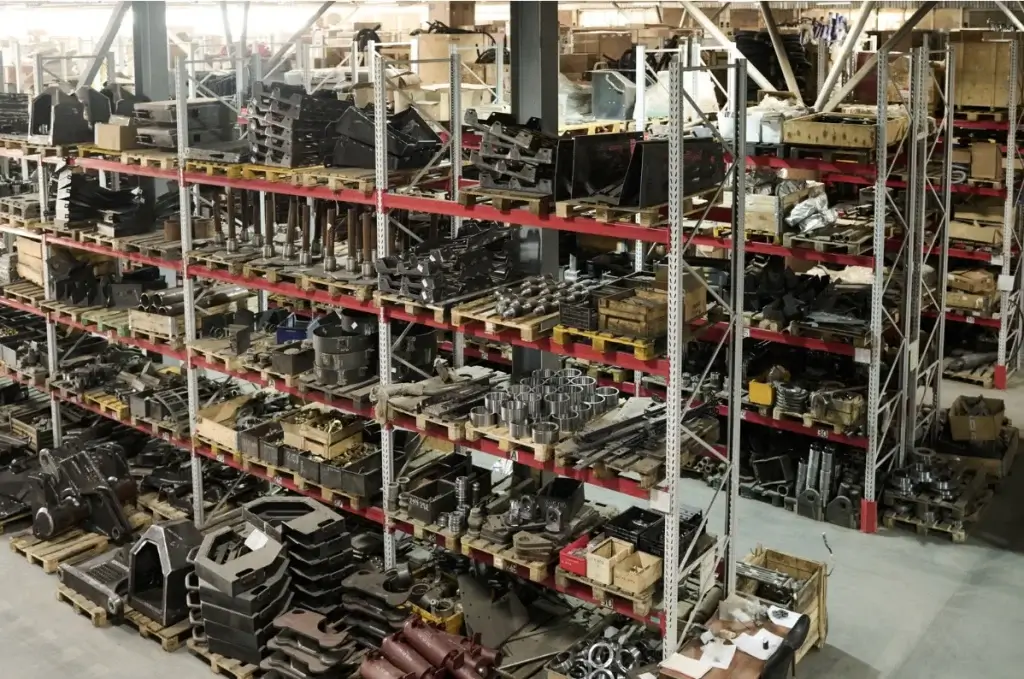
Look at their catalogue size and how often it’s updated. A supplier working from a narrow, static stock list will let you down eventually, usually on the exact day you need a part most urgently. You can browse our full parts catalogue to see the kind of range and turnover a workshop should expect from a supplier that treats stock as a moving, working inventory rather than a fixed list.
Communication matters just as much as stock. A supplier who replies quickly, confirms fitment before you commit, and tells you straight if something isn’t available saves you far more time than one who’s slightly cheaper but slower to respond.
Supplier Checklist at a Glance
|
What to Check |
Why It Matters |
Red Flag |
|
Stock depth and range |
Prevents repeat delays on common jobs |
Very narrow catalogue, frequent “out of stock” |
|
Part testing process |
Confirms the condition before it reaches your bay |
Vague or no answer on testing |
|
Fitment confirmation |
Avoids wasted labour on the wrong part |
Won’t confirm fitment before payment |
|
Delivery timing |
Keeps your schedule on track |
No clear delivery window given |
|
Warranty terms |
Limits your exposure to faulty parts |
No warranty, or terms not in writing |
Before You Commit
One honest limitation worth knowing upfront: our stock is inspected secondhand, not new manufactured parts, so a specific listing that’s available today may not be available again once it’s sold. We don’t manufacture parts ourselves, and we don’t pretend otherwise.
That said, our catalogue is refreshed weekly with parts sourced locally in Singapore and directly from Japan, and we offer same-day delivery within Singapore for orders placed before 3pm. If timing or warranty terms are a concern, our FAQ page covers exactly what’s included in our 1-month warranty for mechanical faults on most items, so you know the terms before you order rather than after.
If your workshop needs a supplier that can confirm fitment quickly and keep pace with regular orders, get a quote from our team. Tell us the part, the vehicle, and your timeline, and we’ll tell you straight away what’s available.
FAQs
What should a workshop look for in a car parts supplier in Singapore? Look for clear stock information, fast fitment confirmation, a stated warranty, and honest delivery timing. A supplier who’s vague on any of these is worth a second look before you commit.
How do you vet a car parts supplier before ordering? Ask where the parts come from, whether they’re tested before listing, and what happens if a part fails after fitting. Clear, direct answers are a good sign.
Do car parts suppliers in Singapore offer trade or bulk pricing? This varies by supplier and isn’t something we can generalise on. The best way to find out is to contact the supplier directly with your order volume and ask.
Can a used parts supplier keep up with regular workshop orders? It depends on how often their stock is refreshed. Our catalogue is refreshed weekly with parts sourced locally in Singapore and directly from Japan, which helps us support repeat orders rather than one-off requests.