
Signs Your Car Should Go to the Scrap Yard, Not the Workshop
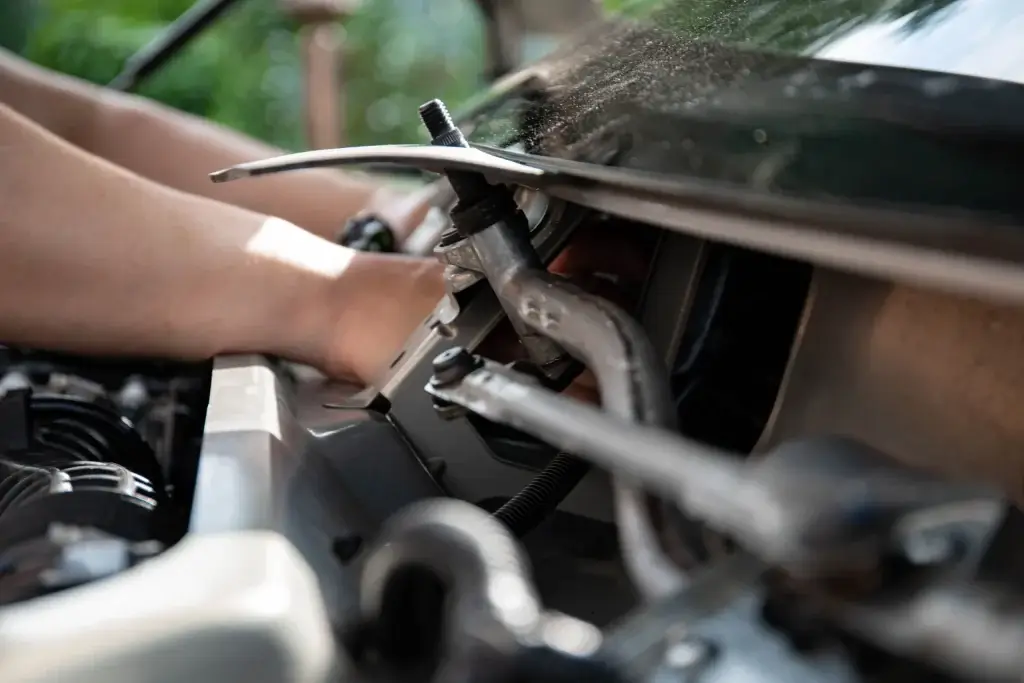
Your mechanic has just handed you a repair quote that’s bigger than you expected, and you’re standing there wondering if it’s actually worth it this time. As a general rule of thumb, if the repair cost is approaching half your car’s current market value, if you’ve already paid for a major repair in the past year, or if your COE is close to expiring, it’s worth comparing the cost of another repair with the cost of deregistering the car. Once a car is scrapped, its usable components don’t just disappear either. They’re inspected, tested, and resold as scrap car parts in Singapore, which is a big part of why scrapping isn’t the write-off it might feel like.
Below, we’ll walk through the actual signs to look for, the financial side most people forget to check, and what happens to your car once you decide to let it go.
How Do I Know if My Car Should Be Scrapped Instead of Repaired?
Start with the maths, not your emotions about the car. A repair worth doing on a car with years of life left isn’t automatically worth doing on one that’s already on its third major fix.
If your repair quote is approaching half your car’s current market value, if you’ve already paid for a major repair in the last twelve months, or if your COE is due to expire within a year, these are useful signs that it’s worth comparing the cost of repairing, keeping, and deregistering the car. Any one of these on its own is worth pausing over, while having more than one may make it worth doing a more detailed cost comparison before committing to another repair.
Rust through the chassis or structural damage from an accident are also signs worth taking seriously, since these affect the car’s safety and roadworthiness rather than just its running condition.
What Financial Factors Should You Consider Before Repairing an Old Car?
This is the part most owners skip, and it’s the part that actually decides whether repairing makes sense.
If your car is not more than ten years old and meets LTA’s PARF eligibility criteria, deregistering it may qualify you for a PARF (Preferential Additional Registration Fee) rebate, based on the Additional Registration Fee (ARF) paid when the car was first registered and the vehicle’s age at deregistration. You may also receive a COE rebate for the unused portion of your COE if you deregister the vehicle before the COE expires. The potential PARF rebate decreases as the car gets older, while the potential COE rebate generally decreases as the remaining COE period gets shorter. Check your specific rebate amounts with LTA before deciding whether another repair is worthwhile.
If your COE is reaching the end of its ten-year term, renewing it means paying the Prevailing Quota Premium (PQP) on top of whatever repairs the car still needs. At that point, you’re taking on both the cost of renewing the COE and the ongoing repair and maintenance costs of an ageing car.
What Happens to a Car Once It’s Scrapped in Singapore?

Scrapping isn’t just about getting rid of a car. It’s also how usable components make their way back into circulation as secondhand parts.
Once a vehicle comes in through our scrap car service, we inspect the vehicle and its key components and remove usable parts for potential reuse or resale. We’ve covered how those checks work in our guide to how scrap yard parts are evaluated for reuse. The parts that still have life in them, from engines to alternators to body panels, go on to our parts catalogue rather than to waste.
Repair or Scrap? Quick Comparison
|
Repair the Car |
Scrap the Car |
|
|
Best for |
Isolated fault, COE has years left |
Repeated major faults or a COE approaching expiry |
|
Cost consideration |
Repair cost plus ongoing risk of further faults |
No further repair bills for the deregistered vehicle; PARF rebate if eligible, plus a COE rebate for the unused COE period |
|
COE impact |
PQP due if you renew the COE to keep driving |
Avoids the cost of renewing the COE for the vehicle |
|
Outcome |
Car stays on the road short to medium term |
Usable parts recovered, car deregistered cleanly |
Before You Decide
The most common hesitation here is the worry that scrapping means walking away with less than the car is worth. We can’t calculate your exact PARF and COE rebates for you, as the amounts depend on your vehicle’s eligibility, age, registration details, and remaining COE period. It’s worth checking them with the rebate enquiry service on LTA’s OneMotoring portal before you commit to another repair. For an accurate scrap quote, our team will need your log card and a few photos of the car before providing an honest quote.
If the signs above sound familiar, find out what your car could be worth rather than paying for another repair that may not pay off. Get a Quote from SK Auto Carparts on WhatsApp, and we’ll come back with a straight answer.
FAQs
How do I know if my car should be scrapped instead of repaired? Consider whether the repair cost is close to half your car’s value, whether you’ve had more than one major repair in the past year, and how close your COE is to expiring. If more than one of these factors applies, it may be worth doing a more detailed comparison of the repair costs, ongoing maintenance, and potential deregistration rebates.
Do I lose money by scrapping my car early? Not necessarily. If your car is eligible for PARF and is not more than ten years old at deregistration, you may receive a PARF rebate, plus a COE rebate for the unused portion of your COE if you deregister before it expires. The rebate amounts depend on your vehicle’s eligibility, age, and remaining COE period, so it is best to check the estimated rebates with LTA’s OneMotoring enquiry service before deciding when to deregister.
What happens to the parts after a car is scrapped in Singapore? Usable parts are removed and inspected for reuse, with suitable components made available through our second-hand parts range.
Can I still get value from an old car with a blown gearbox or engine? Yes. Even with a major mechanical fault, other components of the vehicle, such as body parts, electronics, and smaller mechanical parts, may still be suitable for recovery and resale depending on their condition. PARF and COE rebate eligibility is determined by LTA’s applicable rules rather than the vehicle’s mechanical condition.